Results from Our Partner Network: Two Wheels for Cleaner Air – Tatabánya’s Achievements in the HungAIRy Project
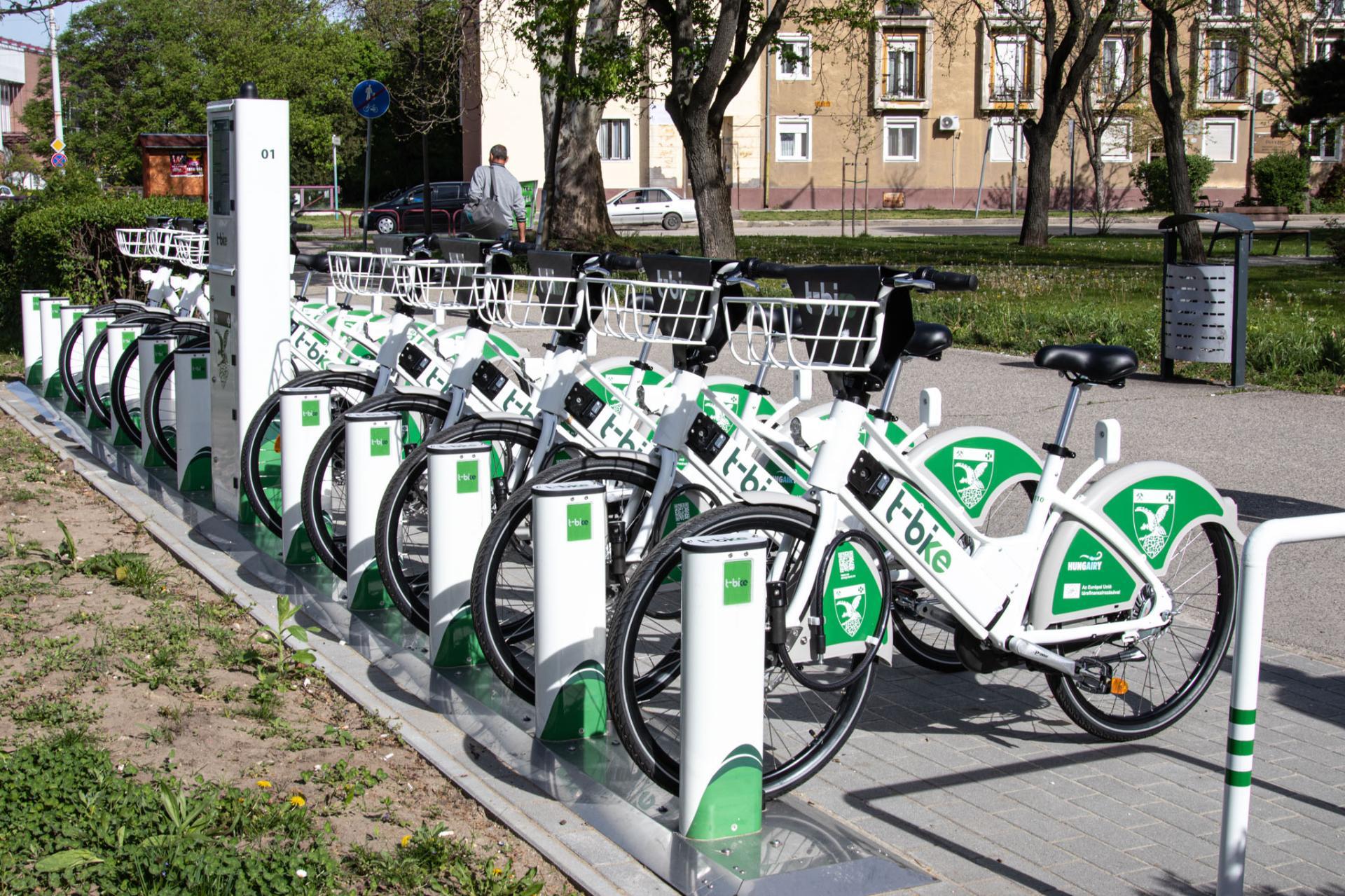
Improving air quality can be truly effective when technical developments, sustainable transport solutions and public awareness-raising reinforce one another. Within the LIFE IP HungAIRy project, Tatabánya has implemented developments in several areas that can continue to contribute to creating a more liveable and healthier urban environment beyond the end of the project.
T-Bike – Public Bike-Sharing for Cleaner Air
One of the most visible elements of the project was the establishment of the T-Bike public bike-sharing system. Six docking stations were installed at key locations across the city, with a total of 75 modern docking points. The stations offer 25 conventional bicycles and 25 electrically assisted bicycles, giving residents the opportunity to choose environmentally friendly transport instead of cars for an increasing number of journeys.
According to traffic data, the system became part of everyday life in the city within a relatively short period of time. During the initial period following its launch in 2024, nearly 1,400 users made more than 2,270 trips. In 2025, despite weather conditions and seasonal fluctuations, usage remained stable, with the number of trips again exceeding 2,250. This demonstrates that during the project period, T-Bike became an established element of urban mobility in Tatabánya.
Several changes to the service were introduced from June 2026: the deposit was reduced and the free usage period was shortened, while the discount on passes linked to the Tatabánya Card was significantly increased. These measures are expected to result in a 20–35% increase in the number of registered users, an increase of up to 30–60% in the number of pass holders, a 10–25% increase in the number of trips, and a 15–30% increase in revenues during the second half of 2026.
Every journey made by bicycle can contribute to reducing motor vehicle traffic and, consequently, transport-related emissions, while also helping to improve the urban environment.
Sensor Network – Data-Driven Air Quality Protection
Access to reliable information is essential for improving air quality. To this end, within the framework of the project, Tatabánya acquired four Envea Cairnet® mobile microsensor-based air quality monitoring stations.
The modern and easily relocatable devices provide continuous measurements and information on air quality conditions at different locations across the city. The measurement results are also publicly accessible, meaning that the system provides valuable information not only for experts and decision-makers but also supports public information and environmental awareness. The data can also play an important role in decision-making. They can help identify areas where further measures may be needed and make it possible to monitor the impact of measures that have already been implemented.
Eco-Manager Network – Driving Awareness-Raising Activities
In addition to technical developments, raising public awareness and strengthening local cooperation are equally important. This is where Tatabánya’s eco-manager plays an important role.
Their responsibilities include reviewing the city’s air quality plan, raising public awareness of air pollution, and organising programmes that, among other things, promote environmentally conscious transport. The eco-manager also provides professional support to the municipality and local stakeholders in making use of national and European Union funding opportunities. In this way, the eco-manager activities contribute to ensuring that the developments established within the framework of the project continue to provide benefits in the long term.
Continuous Operation as the Key to Sustainability
The true value of the developments implemented through the LIFE project lies in the fact that they are not one-off investments but sustainable systems that continue to operate over the long term. The continued operation of the T-Bike public bike-sharing system, the maintenance of the air quality monitoring network and the ongoing work of the eco-manager together ensure that Tatabánya will continue to actively work towards improving air quality after the end of the project.


